


I still remember the first time I slipped into a vintage Chanel jacket at a Paris flea market years ago. It felt worlds apart from the crisp blazer I grabbed off the rack at a department store back home. That moment crystallized something I’d always sensed about fashion: not all luxury is created equal. Haute couture and ready-to-wear represent two distinct universes within the same industry—one a handcrafted ode to exclusivity, the other a practical celebration of accessibility. Understanding their contrast isn’t just about clothes; it’s about how fashion mirrors society, creativity, and commerce.
What Is Haute Couture?
Haute couture, French for “high sewing,” stands as the pinnacle of bespoke tailoring. These garments are meticulously handcrafted in Paris ateliers by teams of skilled artisans using the finest fabrics, often requiring thousands of hours of work for a single piece. Only a handful of houses earn the official designation from the Fédération de la Haute Couture et de la Mode, and each collection must meet strict criteria like employing at least 15 full-time staff and presenting twice yearly.
The Origins of Haute Couture
Charles Frederick Worth, an Englishman in Paris, is widely credited with founding haute couture in 1858 when he opened his maison and began signing his creations like an artist. He revolutionized the industry by requiring clients to pay upfront and staging private showings, shifting dressmakers from tradespeople to visionaries.
The Rise of Ready-to-Wear
Ready-to-wear, or prêt-à-porter, emerged as industrialization met growing middle-class demand in the late 19th century. Unlike custom pieces, these clothes are produced in factories with standardized sizes and sold off-the-rack in stores worldwide. The post-World War II boom accelerated its growth, making stylish fashion available to everyday people through department stores and catalogs.
How Industrialization Shaped Ready-to-Wear
The sewing machine and mass production techniques allowed brands to scale quickly. In the U.S., pioneers like the Ehrlich Brothers brought European styles to American shoppers, while Hollywood stars helped popularize looks that didn’t require endless fittings. Today, it powers everything from high-street giants to luxury labels’ commercial lines.
Key Differences in Production and Craftsmanship
The real magic—and the starkest contrast—lies in how these garments come to life. Haute couture relies on slow, artisanal processes where every seam, bead, and pleat is perfected by hand. Ready-to-wear, by comparison, uses efficient assembly lines that prioritize speed and consistency without sacrificing quality entirely.
Here’s a side-by-side look to make the differences crystal clear:
| Aspect | Haute Couture | Ready-to-Wear |
|---|---|---|
| Production Method | Handcrafted in ateliers, custom-fit | Mass-produced in factories, standard sizes |
| Time per Garment | Up to 2,000 hours | Days or weeks for batches |
| Materials | Rare, luxurious fabrics and trims | High-quality but scalable options |
| Fit | Tailored to the client’s exact measurements | Sized for the average body (with alterations possible) |
| Quantity | Often one-of-a-kind | Hundreds or thousands per style |
Pricing: The Luxury Gap Explained
If you’ve ever wondered why one dress costs as much as a car, look no further than haute couture pricing. A single piece from houses like Valentino or Dior can run $80,000 or more, reflecting labor, materials, and exclusivity. Ready-to-wear from the same brands might start at a few hundred dollars, making designer style reachable for professionals and enthusiasts alike.
Who Can Actually Afford Haute Couture?
Only a tiny elite—royalty, celebrities, and ultra-wealthy clients—commission these creations, often after private fittings. Ready-to-wear opens the door wider, letting you channel runway vibes without the waitlist or six-figure price tag. It’s democratized luxury at its best.
Fashion Weeks: Where the Two Worlds Collide
Paris Fashion Week splits into distinct calendars for a reason. Haute couture shows in January and July feel intimate and theatrical, with editors and VIPs marveling at wearable art. Ready-to-wear weeks in March and September are bigger, faster-paced affairs designed to drive immediate sales.
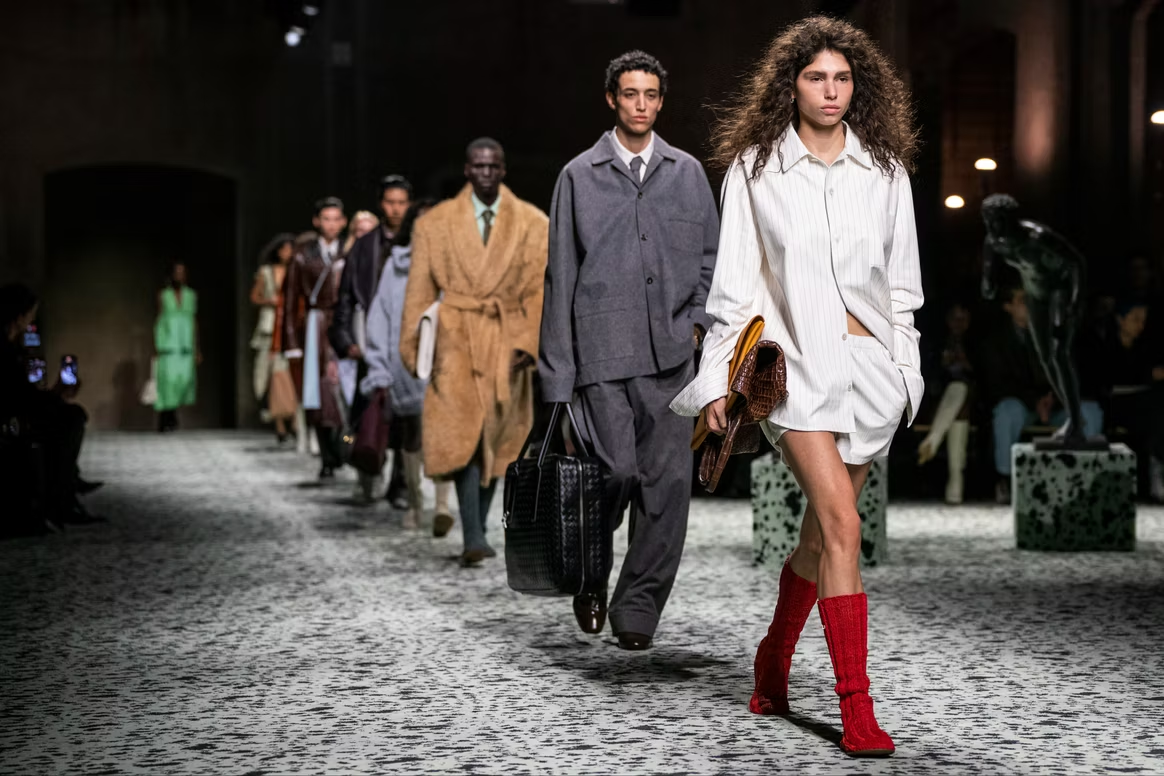
Spring-Summer 2025 Dior Haute Couture runway—pure artistry in motion.
Real Designer Stories That Highlight the Contrast
Take Christian Dior’s legacy. His New Look in 1947 defined post-war couture with voluminous skirts requiring yards of fabric and endless handwork. Yet his house also launched ready-to-wear lines that influenced everyday elegance. Or consider Chanel: Coco’s iconic tweed suits started as couture but evolved into accessible ready-to-wear icons you can find in boutiques today.
I once chatted with a seamstress who worked on both—her stories of embroidering a single couture gown for weeks versus assembling racks of RTW in days left me chuckling at fashion’s beautiful contradictions.
Pros and Cons: A Balanced View
No approach is perfect, and both have strengths that keep the industry thriving.
Haute Couture Pros:
- Unparalleled craftsmanship and personalization
- Drives innovation that trickles down
- Preserves cultural heritage of tailoring
Haute Couture Cons:
- Extremely expensive and inaccessible
- Not practical for daily life
- Limited environmental scalability
Ready-to-Wear Pros:
- Affordable and widely available
- Balances style with wearability
- Fuels economic growth through volume
Ready-to-Wear Cons:
- Less unique, potential for trend fatigue
- Quality can vary by brand
- Overproduction concerns in fast fashion offshoots
How Haute Couture Inspires Ready-to-Wear
The runway isn’t just spectacle—it’s a laboratory. Techniques like intricate pleating or innovative silhouettes from couture collections often appear simplified in the next season’s ready-to-wear. Iris van Herpen’s 3D-printed couture pieces, for instance, influence tech-forward RTW from brands like Nike or even high-street adaptations. This cross-pollination keeps fashion evolving.
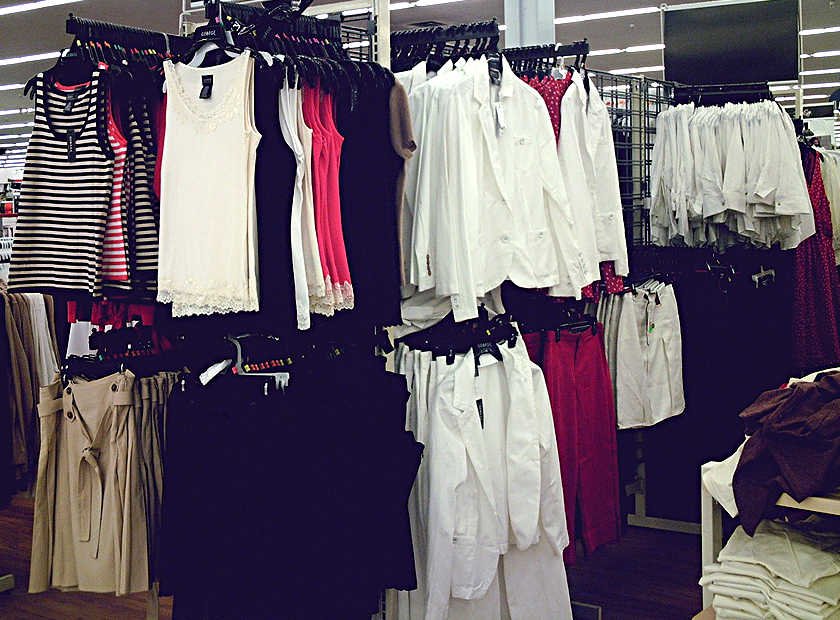
A ready-to-wear store display—style you can take home today.
The Business Side: Image vs. Revenue
Haute couture acts as the glamorous flagship, generating buzz and prestige for the brand. Ready-to-wear is the profit engine, with higher volumes funding the ateliers. Many houses admit couture loses money but pays dividends in brand value—think of it as the ultimate marketing investment.
Current Trends Bridging the Gap
Today, lines blur more than ever. Some labels offer “semi-couture” or made-to-measure RTW, while sustainability pushes both toward ethical practices. Designers like Alexander McQueen historically used couture to shock, then translated shock value into commercial hits. The future? More hybrid experiences where exclusivity meets inclusivity.
What People Are Also Asking About Haute Couture vs Ready-to-Wear
Google users frequently search these related questions, so let’s tackle them head-on:
- What is the difference between haute couture and prêt-à-porter? Prêt-à-porter is simply the French term for ready-to-wear—off-the-rack luxury versus fully custom couture.
- Is haute couture the same as high fashion? Not exactly. High fashion often refers to designer RTW; couture is the ultra-exclusive subset.
- How much does a haute couture dress cost? Expect $20,000 to $500,000+, depending on complexity—far beyond most RTW pieces.
- Can anyone buy ready-to-wear from couture houses? Absolutely. Their RTW lines are stocked in boutiques and online, unlike made-to-order couture.
- Why does haute couture still matter in 2026? It sets trends, showcases pure creativity, and reminds us fashion can be art, not just commerce.
FAQ: Your Burning Questions Answered
Q: Which is better, haute couture or ready-to-wear?
Neither is universally “better”—it depends on your needs. Couture offers unmatched artistry for special occasions; ready-to-wear delivers versatile style for real life.
Q: Do all luxury brands produce both?
Most big names like Chanel, Dior, and Gucci do both, using couture for prestige and ready-to-wear for revenue.
Q: Is ready-to-wear lower quality?
Not at all. Luxury RTW uses premium materials and skilled construction—it’s just scaled for efficiency rather than individual perfection.
Q: Where can I experience haute couture without buying?
Attend Paris Haute Couture Week presentations (if you’re press or invited) or visit museum exhibitions featuring archival pieces.
Q: How has social media changed the contrast?
Instagram and TikTok let everyone “try on” couture virtually while shopping RTW instantly—democratizing inspiration like never before.
Fashion’s two worlds will always dance in tension, each enriching the other. Whether you’re drawn to the quiet luxury of a perfectly fitted couture gown or the everyday joy of slipping into a sharp ready-to-wear blazer, both remind us why we love clothes in the first place. They tell stories—of ambition, identity, and the endless pursuit of beauty. Next time you shop or scroll a runway, pause and appreciate the craft behind every stitch. Your wardrobe (and your appreciation for fashion) will thank you.