




I still remember the first time I stood backstage at Paris Fashion Week, watching a seamstress pin a hem on a gown that had taken hundreds of hours to create. It wasn’t just fabric—it felt alive, almost sacred. That moment crystallized the divide I’ve chased ever since: haute couture versus ready-to-wear. One is pure artistry for the few; the other is wearable magic for the many. If you’ve ever wondered why some runway looks seem impossible to buy while others fill your closet, this deep dive will show you exactly how these two sides of fashion operate, why they matter, and how they quietly shape what ends up on your body every day.
What Is Haute Couture? The Art of the One-of-a-Kind
Haute couture is fashion at its most extreme—custom garments sewn entirely by hand in Paris ateliers for a tiny circle of private clients. Every piece starts with a client’s exact measurements, multiple fittings, and rare fabrics chosen for that specific body and vision. It isn’t off-the-rack; it’s a walking sculpture built from thousands of tiny, deliberate stitches.
The Origins and History of Haute Couture
Charles Frederick Worth opened the first true maison in 1858, turning dressmaking into a creative profession by signing his designs and presenting them on live models. Before him, clothes were made by anonymous seamstresses; after him, the designer became the star. Paris quickly became the capital, and by the mid-20th century the Chambre Syndicale (now the Fédération de la Haute Couture et de la Mode) codified the rules that still protect the label today.
Strict Regulations That Define True Haute Couture
Only houses approved by the French Ministry of Industry can use the term. They must maintain a Paris atelier with at least fifteen full-time staff and twenty technical specialists, create made-to-order pieces with multiple fittings, and present at least fifty original day-and-evening looks twice a year in January and July. Break the rules and you lose the right to call it haute couture. That’s why the list of official members—Chanel, Dior, Giambattista Valli, Schiaparelli, and a handful of others—stays small and fiercely guarded.
What Is Ready-to-Wear? Fashion That Actually Fits Your Life
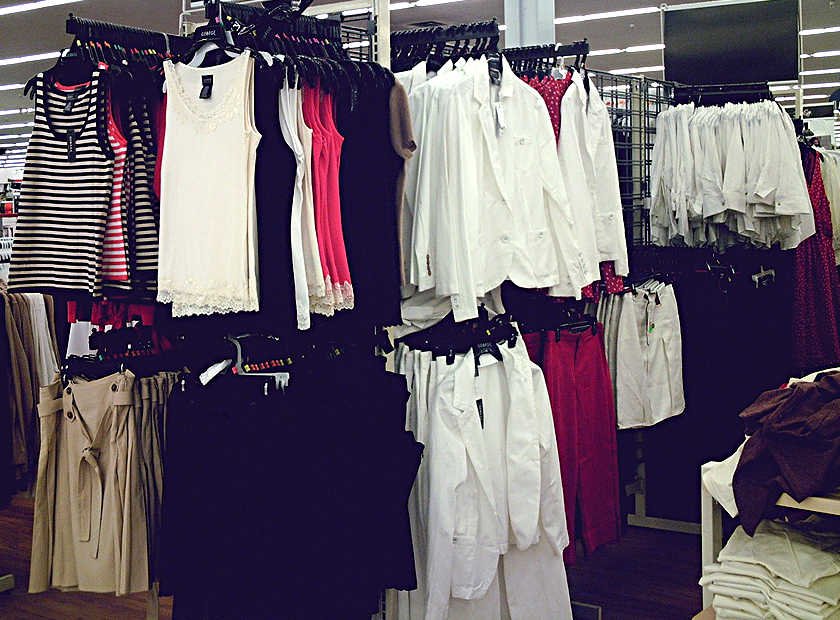
Ready-to-wear, or prêt-à-porter, means garments produced in standard sizes, finished in factories, and sold immediately in stores or online. You grab it off the rack, try it on, and walk out wearing it. Designer-level ready-to-wear still carries creative DNA from the house, but it’s built for real bodies, real schedules, and real budgets rather than fantasy wardrobes.
How Ready-to-Wear Revolutionized Fashion
The Industrial Revolution and the rise of department stores in the late 19th century made off-the-peg clothing possible. Yves Saint Laurent’s 1966 Rive Gauche boutique proved that a luxury house could sell stylish, accessible pieces without losing prestige. Today every major label—Chanel, Dior, Gucci—relies on its ready-to-wear collections to pay the bills while couture keeps the dream alive.
Key Differences at a Glance: Haute Couture vs Ready-to-Wear
Here’s a clear side-by-side comparison that cuts through the jargon:
| Aspect | Haute Couture | Ready-to-Wear |
|---|---|---|
| Production | Entirely hand-made, one-of-a-kind | Factory-produced in batches |
| Fit | Custom measurements, multiple fittings | Standardized sizes (XS–XXL or 34–46) |
| Time per garment | 300–2,000+ hours | 50–100 hours |
| Price | $20,000 to $500,000+ | $200 to $5,000+ for designer pieces |
| Availability | Made to order for private clients | Immediate purchase in stores/online |
| Purpose | Artistic expression and prestige | Wearable trends and commercial sales |
| Client base | ~4,000 ultra-wealthy individuals worldwide | Millions of everyday fashion lovers |
The table makes the contrast obvious: couture builds a relationship; ready-to-wear builds a wardrobe.
Craftsmanship Versus Efficiency: The Making Process
In a couture atelier, specialists—les petites mains—handle every detail: hand-embroidering thousands of beads, pleating silk by hand, or sculpting feathers into impossible shapes. One Giambattista Valli gown can consume 6,000 meters of fabric and 240 hours of labor. Ready-to-wear uses laser cutters, automated sewing lines, and specialized workers who repeat the same task all day. Both require human skill, but couture treats the garment like a masterpiece while ready-to-wear treats it like a product that must ship on time.
Exclusivity and Accessibility: Who Actually Wears These Clothes?
Haute couture clients are royalty, billionaires, and red-carpet legends who fly to Paris for fittings and expect absolute secrecy. A single dress can cost more than a luxury car. Ready-to-wear speaks to professionals, students, influencers, and anyone who wants designer polish without the drama. You’ll see the same Balenciaga blazer on a CEO in New York and a fashion student in Tokyo—same cut, different price points depending on the season.
Price Points and Economic Realities
Couture rarely turns a direct profit. Houses lose money on the clothes themselves but gain priceless brand aura that sells handbags, perfumes, and ready-to-wear at scale. One couture dress might fetch $80,000; the ready-to-wear version inspired by it sells for $1,200 and moves thousands of units. That’s why couture survives: it’s the marketing department dressed in silk and sequins.
How Haute Couture Inspires Ready-to-Wear (and Vice Versa)
Couture is the laboratory. Techniques developed for the runway—new pleating methods, innovative embellishments—trickle down to ready-to-wear collections six months later. In turn, data from ready-to-wear sales tells couture designers what silhouettes and colors actually resonate with real women. The two aren’t rivals; they’re dance partners. Without couture, ready-to-wear would lack magic. Without ready-to-wear, couture couldn’t afford to exist.
Pros and Cons: Which Side Wins for You?
Haute Couture Pros
- Perfect fit tailored to your body
- Unmatched craftsmanship and uniqueness
- Investment piece that becomes family heirloom
Haute Couture Cons
- Eye-watering cost
- Months of waiting and fittings
- Impractical for everyday life
Ready-to-Wear Pros
- Immediate availability
- Affordable luxury
- Designed for real movement and real life
Ready-to-Wear Cons
- Less personal fit (alterations often needed)
- Higher chance of seeing the same piece on others
- Shorter trend lifespan
Pick couture when you want to feel like living art. Choose ready-to-wear when you want fashion that works with your schedule.
People Also Ask: Answers to the Questions Google Shows Most
What is the main difference between haute couture and ready-to-wear?
Haute couture is custom-made by hand for one client; ready-to-wear is mass-produced in standard sizes for immediate sale.
Is haute couture better than ready-to-wear?
“Better” depends on your needs. Couture offers superior craftsmanship and exclusivity; ready-to-wear offers accessibility and practicality. Most houses use both to serve different purposes.
Can anyone buy haute couture?
Technically yes—if you can afford the price and secure an invitation. In reality, the client list stays extremely private and selective.
Why is haute couture so expensive?
Hundreds of skilled hours, rare materials, and zero economies of scale. A single dress can require more labor than building a small car.
Does ready-to-wear copy haute couture?
Not exactly. Couture inspires ready-to-wear, but the commercial line adapts ideas for real bodies, budgets, and production realities.
FAQ: Quick Answers to Your Burning Questions
How long does it take to make a haute couture garment?
Anywhere from three hundred to two thousand hours, depending on the complexity of embroidery, beading, or sculptural elements.
Are there non-Parisian versions of haute couture?
The protected legal term requires a Paris atelier, but the spirit of bespoke, hand-crafted luxury exists worldwide under names like “made-to-measure” or “bespoke.”
Will ready-to-wear ever replace couture?
Never. Couture’s tiny scale keeps the romance alive; ready-to-wear’s volume keeps the lights on. They need each other.
Is sustainable fashion changing the contrast?
Yes—both worlds are experimenting with ethical sourcing and upcycling, but couture’s small runs make true sustainability easier while ready-to-wear struggles with scale.
Where can I experience the difference firsthand?
Visit the Musée des Arts Décoratifs in Paris for couture history, or simply walk into any luxury boutique during sale season to feel the ready-to-wear difference in your hands.
The contrast between haute couture and ready-to-wear isn’t about which is superior—it’s about choice. Couture reminds us that fashion can be art. Ready-to-wear proves that art can belong to everyone. Together they keep the industry breathing: one heartbeat slow and deliberate, the other fast and democratic. Next time you pull a jacket from your closet or admire a red-carpet look, you’ll know exactly which world created it—and why both worlds still matter more than ever.